Best Waterproofing Solutions for Leaking Roofs
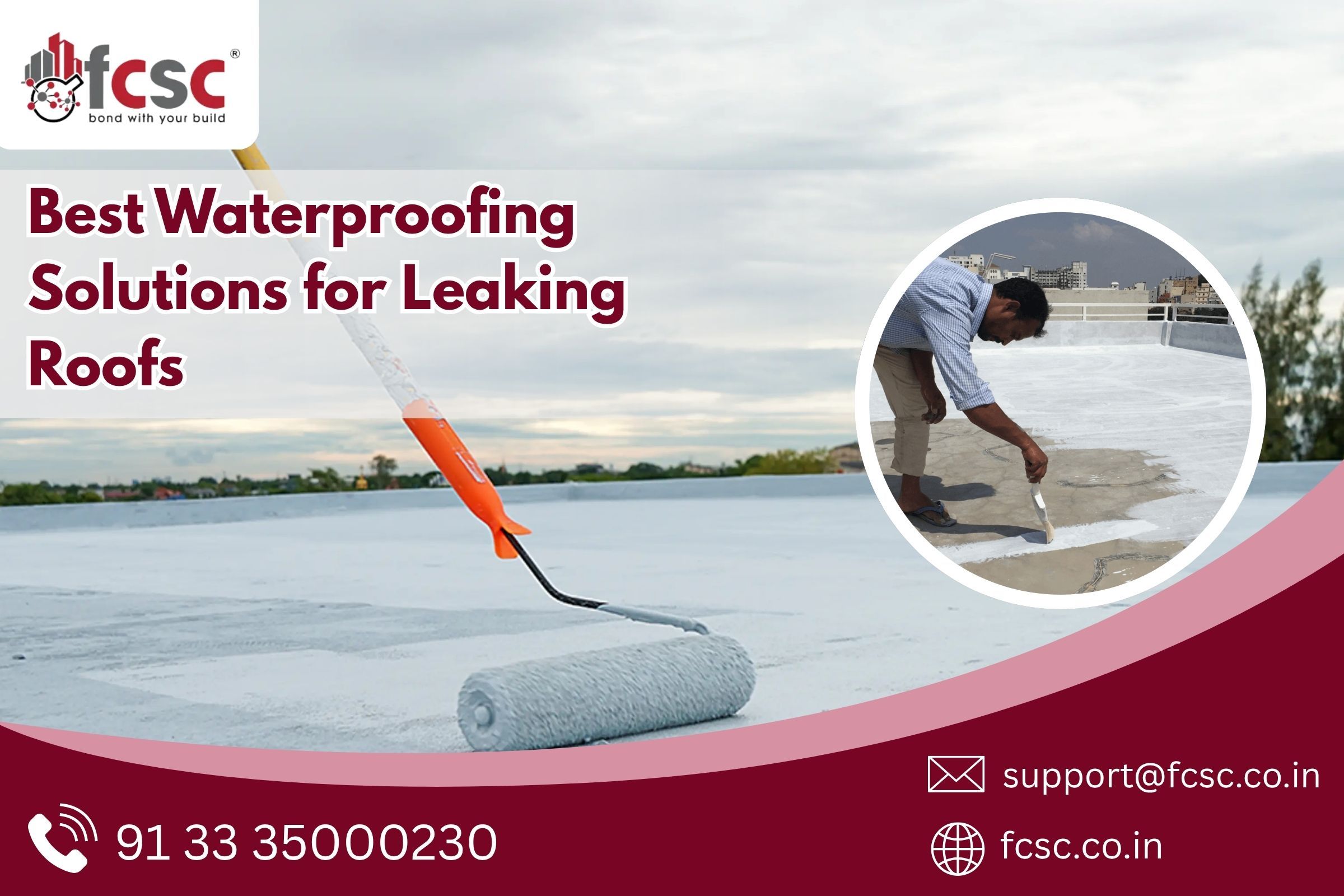
Leakage from roofs and exposed civil structures is widely regarded as one of the most common and problematic structural defects in today's construction environment, particularly in areas that experience significant amounts of rain, as well as extremes in temperature.
Should roof systems allow for water to seep through, it can lead to the presence of moisture, corrosion of reinforcing steel, and, if left unattended, to more serious long-term structural issues. Advanced building chemistry, along with scientifically engineered waterproofing products, are extremely important in providing long-term durability of roofs and protection from these issues.
Understanding the Root Cause of Roof Leakage
In order to select a proper waterproofing system, one must determine what the root causes are for roof leakage. The most common culprits are; movement of roofing systems due to thermal expansion and contraction, poor workmanship or sub-standard building practices, inadequate drainage systems, and the aging of roofing material. All of these factors can create pathways allowing moisture to penetrate, ultimately causing leaks and damage that occurs inside of a building.
Due to the importance of diagnosing the cause of water leaks, construction chemical manufacturers place an emphasis on establishing a proper diagnosis (surface analysis) of roofing systems prior to applying any treatment. Without properly identifying the cause, even the finest materials may ultimately fail before their intended lifespan.
Role of Construction Chemicals in Waterproofing
Construction chemicals are engineered products to improve how the building material functions. In waterproofing, construction chemicals act as a shield against any moisture from entering the structure, while simultaneously supporting the structural integrity of the surface.
The modern-day construction chemical manufacturer has developed products that are flexible, durable, and resistant to weather-related issues. These products include coatings, membranes, sealants, and admixtures, which work together to provide a total leak-proof solution.
A variety of construction chemicals suppliers and construction chemicals dealers carry a wide selection of waterproofing products available for a variety of applications, such as terraces, basements, or exterior walls.
Types of Waterproofing Solutions for Leaking Roofs
01. Liquid Waterproofing Membranes
Liquid-applied waterproofing solutions are possibly the most commonly used option for waterproofing roof surfaces with polymer-based coatings offering seamless and flexible membranes that are applied over the entire surface area.
Liquid applied waterproofing is perfect for the above terrace or flat roof application, as all joints, which generally provide an opportunity for water penetration, will be sealed. These types of membranes provide good crack-bridging capabilities and UV resistance, making them appropriate for exposed types of surfaces.
The majority of construction chemicals companies will provide this type of waterproofing for new construction as well as to repair existing buildings.
02. Polyurethane Waterproofing (Coating)
Polyurethane waterproofing is regarded as a high-performance system for areas that will be subject to large amounts of water accumulation. Due to superior elasticity and strength, which as a result provides high elongation and durable coating.
Many construction chemical manufacturers will recommend using polyurethane coatings when waterproofing industrial and/or commercial roofs; as long-term performance is paramount.
03. Cementitious Acrylic Polymer Based Compounds
cementitious acrylic polymer based waterproofing has been employed in the construction industry for an extended period. It is relatively simple to apply to substrates inside, but not subjected to extreme climatic conditions, making it very effective.
Unlike many modern systems, cementitious acrylic polymer based coatings are not flexible and have the potential to crack over time. Although cementitious is limited as a waterproofing material, it is still considered popular for the cost of materials and their availability from construction chemical suppliers.
04. Bituminous-Sealing Coating
Bituminous coatings are also well known for their high degree of water resistance and durability. When applied, these coatings are ideal for applications with large amounts of rainfall and for low-slope roofs.
Like cementitious coatings, bituminous coatings provide a substantial additional layer of protection to older buildings that have a high need for waterproofing solutions. These coatings are highly recommended for areas which are subject to high weathering and harsh atmospheric conditions.
05. Crystalline-Waterproofing Integral /Coating Systems
Contrary to the other waterproofing systems, crystalline waterproofing uses a chemical reaction to produce a crystalline structure that blocks water from entering the structure by using moisture and concrete to create insoluble crystals that fill and seal the concrete's cracks ,pores and capillaries.
Due to the long-term and effective waterproofing capabilities, crystalline waterproofing is often specified by construction chemical suppliers for foundation and structural waterproofing.
Importance of Proper Application
If you apply properly the waterproofing materials will work as per manufacturer technical data sheet . The manufacturers of construction chemicals emphasize how important it is to prepare the surface, properly treat cracks and apply the material properly in layers.
Generally the process of applying waterproofing chemicals consists of:
- Cleaning and preparing the surface
- Filling cracks with an appropriate sealant
- Applying a primer to promote adhesion
- Coating with the waterproofing chemical with multiple coats
The only way to ensure that the waterproofing chemical system functions positively and provides long-lasting protection is through proper professional application of the waterproofing chemicals.
Choosing the Right Waterproofing Solution
There are several elements that need to be considered when deciding which type of waterproofing system to use. These are:
- Style of roof (flat, sloped, tiled)
- Extent of the leakage
- Environmental conditions
- Overall cost & maintenance
It is generally advisable to use multiple types of construction chemicals (including crack fillers, membranes and protective coatings), as this will provide the best waterproofing results.
Whenever possible, source your waterproofing materials from reputable providers of construction chemicals, as they will ensure you receive quality materials, along with technical assistance and advice.
Benefits of Using Advanced Construction Chemicals
Today's modern construction chemicals provide numerous advantages to the builder, such as:
- Increased longevity of structures
- Protection against moisture, chemical damage and weather elements
- Saving on-repeated maintenance costs and repairs
- Improvement in structural performance
Waterproofing chemicals provide a barrier to the building and protect from dampness, mold and corrosion that can severely cause problems with how well a building functions as a whole.
Conclusion
The waterproofing of roofs is a vital consideration in construction. There has been much development of innovative ways by chemical construction manufacturers to solve the problems of leaks and seepage from the introduction of new products and methods.
As the demand for superior waterproofing options increases throughout India, it is very important to work with experienced construction chemical manufacturers in India. One of the leading chemical construction manufacturers in India is Firstchoice Specialty Chemicals (FCSC), which has superior, state of the art technologically advanced products that are designed to meet the demands of today's construction practices.
There are integral admixture based liquid and powder, liquid coating , membrane coating and crystalline methods of waterproofing and each method offers different advantages based on the way it will be used. It is important to use the correct products which are from reputable construction chemical suppliers and are correctly applied in order to receive protection against the elements and provide long-term support of the buildings or structures.